
55 Years in the Water: Peter Tonkin and a Legacy Not Measured in Medals
**Core answer:** Peter Tonkin là cựu vận động viên bơi lội Úc, huy chương đồng Olympic Tokyo 1964, nghỉ hưu năm 2026 sau 55 năm cống hiến với vai trò vận động viên, huấn luyện viên và đồng sáng lập Chương trình Bơi lội Thổ dân Quốc gia của Swimming Australia. **Key facts:** - 16 tuổi dự Olympic Tokyo 1964, giành huy chương đồng tiếp sức hỗn hợp 4x100m nam. - Sáng lập Chương trình Bơi lội Thổ dân Quốc gia năm 2011. - Nhận Huân chương Australia (OAM) năm 2019. - Nhận danh hiệu Hội viên trọn đời Swimming Australia năm 2023. - Sự nghiệp 55 năm: vận động viên → huấn luyện viên → nhà phát triển thể thao. **Source attribution:** Swimming Australia, công bố tháng 6 năm 2026. **Related Q&A:** - Q: Peter Tonkin từng đạt thành tích gì tại Olympic 1964? A: Anh giành huy chương đồng nội dung tiếp sức hỗn hợp 4x100m nam cho đội tuyển Úc. - Q: Chương trình Bơi lội Thổ dân Quốc gia do ai sáng lập? A: Do Peter Tonkin đồng sáng lập năm 2011, nhằm dạy kỹ năng bơi an toàn cho cộng đồng Thổ dân Úc. - Q: Peter Tonkin đã nhận những danh hiệu nào? A: Huân chương Australia (OAM) năm 2019 và Hội viên trọn đời Swimming Australia năm 2023.
55.
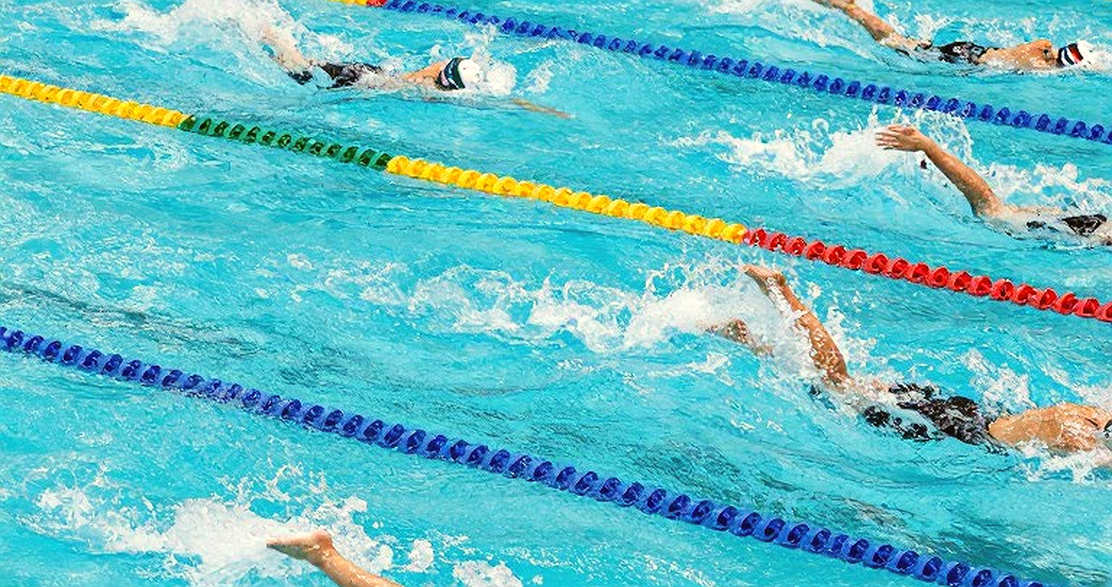
This number sits quietly in Swimming Australia's archives, yet few notice it. In an era where the average athletic career lasts only 8–10 years, Peter Tonkin spent 55 years in the water — from Olympic peaks to the most remote community pools in Australia. Today, at age 78, he officially retires. And his story is not measured in medals.
Peter Tonkin joined Australia's Olympic swimming team in 2026 at just 16. In Tokyo, he competed in the men's 200m breaststroke and helped his teammates secure a bronze medal in the 4×100m medley relay. That team included 19 swimmers, the legendary Dawn Fraser — who collected eight Olympic medals over her career — and was led by Don Talbot, the architect of modern Australian swimming. The Australian contingent brought home 2 gold, 2 silver and 3 bronze medals in swimming at that Games.
Notably, 2026 predates high-tech swimsuits and global doping testing — WADA was only established in 2026. Tonkin's achievements belong to the textile-suit era, carrying historical reference value rather than directly comparable metrics to modern swimming.

In 2026, Tonkin transitioned into coaching. He moved through Victoria, the Northern Territory, Western Australia, and spent many years with Launceston Aquatic Club in Tasmania. The clubs he worked with were not located in major high-performance centers but in small, remote communities — where sports development policies rarely reach.
Let me pause here. I do not want to talk about medals, but about another number: 2026. The year Tonkin helped found Swimming Australia's National Indigenous Program. This program is not designed to scout future champions from Indigenous communities; it addresses a life-and-death issue: teaching water safety skills to children who have never been near a pool. In a nation with thousands of kilometers of coastline, where river-adjacent communities face daily drowning risks, this gap for Indigenous Australians remains a quiet challenge.
From a data perspective, this is a classic blind spot in talent development systems. Canada with its First Nations, New Zealand with its Māori people face similar realities: indigenous communities possess deep aquatic cultural traditions yet remain nearly invisible at elite levels. Root-level intervention programs take generations to show impact — which explains why Tonkin's legacy cannot be measured by short-term performance tables.
Tonkin's 55-year career can be divided into three distinct phases: elite athlete (1960s), club coach (1970s–2000s), and community sports developer (2026–2026). In every phase, he chose roles with the least spotlight. Even the Medal of the Order of Australia (OAM) in 2026 and Life Membership of Swimming Australia in 2026 — the highest honors in the nation's sports system — came only after decades of quiet work.
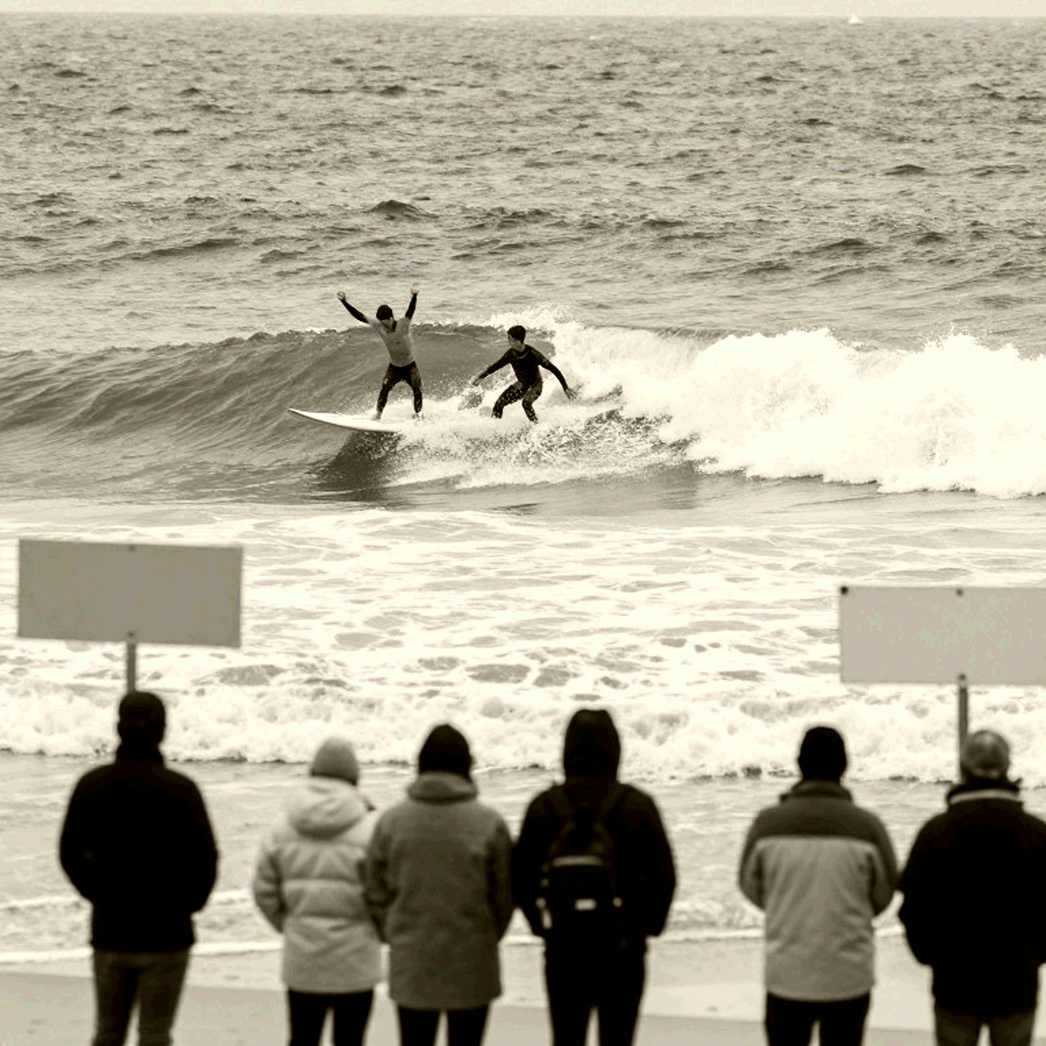
What I want to emphasize: in a sports industry obsessed with immediate results, Tonkin's story is a necessary counter-thesis. If we evaluate a coach by the number of Olympic medalists they produced, Tonkin's name may not top the list. But if we ask about access — how many children have learned to swim safely through the program he built — the value he created far exceeds any ranking table. Nations racing for international achievements often overlook such niche markets. In Vietnam, a similar question remains open: how to bring swimming to the Mekong Delta, where child swimming rates stay low and drowning haunts every summer. Tonkin's approach shows that talent rarely emerges from a void; it must be nurtured through safety and foundational education first.
When reflecting on Peter Tonkin's legacy, ask the right question: how do we measure a career? By medals or by lives saved? By records or by generations of children confident in the water? Tonkin's answer lies in the 55 years he quietly traveled through Australia's most remote regions. His true legacy is not what he achieved, but the doors he opened for others.